Do You Find It's Hard to Ask for Help?
Sometimes we can't ask for help.
Not won't. Can't. The words don't assemble themselves in the mouth. And how we got here is, perhaps, deeper than we have imagined. It might even fall into the paradigm of what it is to be a woman, and perhaps a mother.
I've been thinking about this all week, because I had a week where I was given a great deal, and I noticed how much work it took me to simply let it happen. To sit still while somebody was kind to me, without reaching to reciprocate.
That noticing turned into this week's work. And the more I sat with it, the more I understood that it's a pattern with a long history and a significant cost.
We were praised into it
Go back to childhood.
Perhaps we were praised for being helpful in the kitchen, for looking pretty, and for being generally pleasant. Hungry for praise, most likely we sought out more opportunities to feel valued, and worthy. That's a child correctly reading the room and learning what earns warmth.
And somewhere in there, many of us were handed the line outright: it is better to give than to receive.
It's a beautiful sentiment. It's also, for a certain kind of girl, a job description. So that's what we did: give. And quite occasionally, we gave more than we were able. Perhaps we were drawing upon an empty well.
I've written before about the work of returning to that girl and reparenting her. She's still in there, still being helpful.
The dinner test
The other side of giving too much is, perhaps, the inability to receive.
If a friend or neighbor needed you to make dinner, wouldn't you happily help? Of course you would. You'd probably make more than they asked for.
But if dinner arrived at your door, unannounced and still warm, how willing would you be to receive that kindness? If you're like most of the women I know, something in you would flinch. And out would come one of the two sentences we all have memorized:
"Oh my god, you shouldn't have."
"I'm so sorry you had to go out of your way."
Listen to those. Both of them are apologies. Somebody hands you a gift and you say sorry.
If that reflex sounds familiar, you may recognize its cousin: the way so many of us deflect a compliment we know we've earned. Same muscle. Same flinch.
Indebted, or unworthy?
Perhaps the challenge is not wanting to put somebody out. Or feeling indebted.
There's real science under that second one. Researchers distinguish between gratitude and indebtedness, two very different responses to the same act of kindness. Gratitude draws you closer to the person. Indebtedness does the opposite: it registers the kindness as a debt and produces a distinctly unpleasant pressure to settle up. In a 2024 study in Nature Communications, researchers looked at what people actually did when help was offered. Gratitude made them more likely to accept it. Indebtedness, with its guilt and its sense of obligation, made them more likely to turn it down.
So when your neighbor's generosity makes you feel vaguely uncomfortable, that's what's happening. You've converted a gift into an obligation.
But I suspect that for many of us it goes underneath even that. Beneath the arithmetic of who-owes-whom, it may touch upon a feeling of not feeling worthy.
That's a harder thing to say out loud. It's also, I think, the true thing.
What I see in my practice
While all of this may be an act of vulnerability to admit, I do know a thing or two myself.
Of the thousands of women I've seen in my private practice, I don't know many whose mantra is "I get by with a little help from my friends." Not many at all. What I hear far more often is some version of: suck it up and get it done.
It's worth noting that many of us are caring in two directions at once, children on one side and aging parents on the other, in the exact decade the body is also renegotiating its hormones. According to a CDC study, about one in five adults had provided unpaid care to a family member or friend in the previous 30 days, and 58% of those caregivers were women.
So this week's work
I'm working on being receptive. On receiving undue kindness and graciousness, letting it permeate my skin and into my heart, knowing that my own well-being is dependent upon it.
And yesterday alone, I can proudly say I received such kindness.
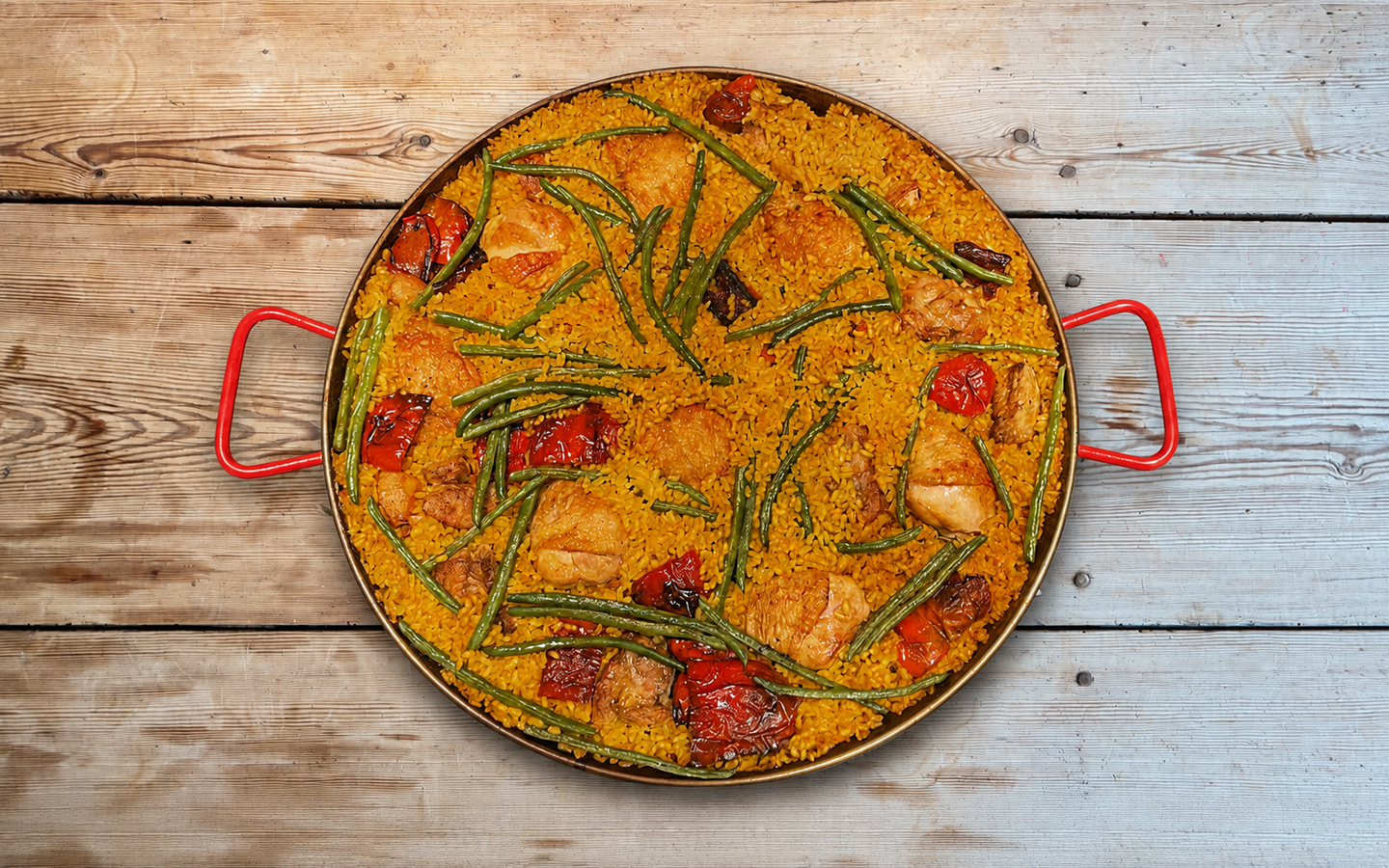
Just before work, my dear friend Vincent showed up at 8:30 a.m. with Thai basil pesto from his garden. Incredibly delicious, and so thoughtful.
I often share a latte first thing in the morning with my husband, but yesterday it came in a ceramic vessel made by my dear friend Mel, who on Wednesday gave me a set of nesting, bone-colored, perfectly wheel-hewn ceramics.
And then, as the sun sank into the horizon past the Sakonnet River and Aquidneck Island, I floated in my friend Kelly's pool. She invited me for some water therapy to nurse me back to health, as a shoulder injury sustained in March continues to hinder my mobility. In her kind hands, and a couple of pool noodles, my body was completely supported. She held my head at the nape, allowing only my mouth and nose to crest the surface, tilted back and submerged. Body completely relaxed.
And in my mind's eye I was a fetus, and she was an angel. All of the tension that fills every bit of fascia and cell sank to the bottom.
Our dear friend, and renowned photographer, Clint Clemens captured the moment.
Your turn
I'd invite you to try accepting acts of kindness. It's harder than it looks.
The next time someone offers you something — a meal, a ride, a compliment, a hand — don't say no thank you, or you shouldn't have. Say thank you, and then stay there a beat longer than is comfortable, and let it in.
If that feels impossible, that's information worth having. It may mean the well is lower than you've admitted, and that asking for what you need is the actual work in front of you.
I'm slowly learning to receive, to find worthiness. Each day it's something I work on — like lifting weights. :)