

What to Eat Now? Food for Fall
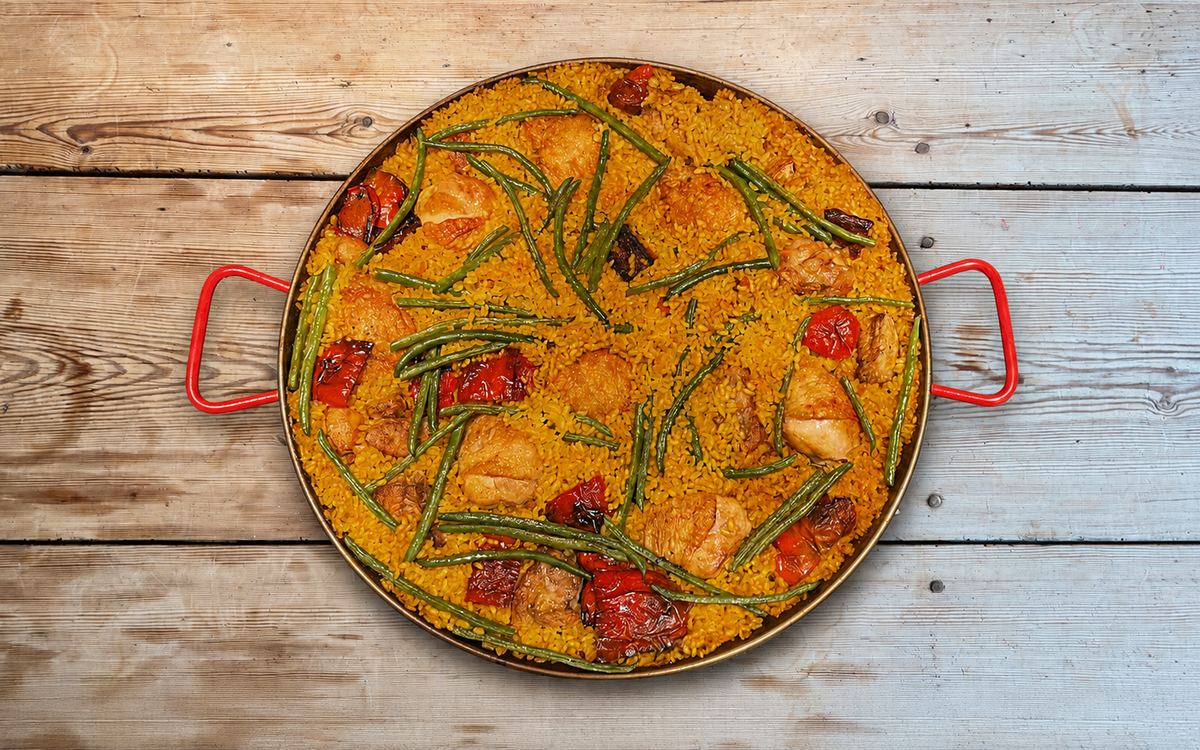
On Monday night, I finally got two seats at Kalaya, a much-talked-about restaurant in Philly. After many courses of spicy Malaysian and Thai food, plus wine, I spent the night tossing, turning, and sweating. The food was delicious, but all that spice made my menopausal symptoms much worse.
What a wake-up call!
In Chinese medicine, we eat with the seasons and the season of life. It's about the freshest food, spices added or omitted, and how it's cooked. That last part about spices omitted? Apparently I needed the reminder.
As we head into fall, there are plenty of lovely things to put on the table. But the weather getting cooler doesn't necessarily mean your body wants more heat. If you're menopausally adjacent, you may already have quite enough of that, thank you.
The season of your life matters, too
For those around menopause, the idea in Chinese medicine is that the Yin of the body—the coolant—is retreating, leaving many sleep-deprived, cranky, and hot-flashing. “Coolant” is a way of explaining Yin's cooling and nourishing qualities within this tradition. It isn't a literal substance we can measure with a blood test.
If this is you, you have reason to be irritable.
My dinner in Philly was a very personal reminder to pay attention. It also included wine and many courses, so I can't neatly isolate one ingredient as the culprit. I can tell you how I felt afterward.
That distinction matters: the Menopause Society says dietary changes and avoiding suspected triggers such as spicy food or alcohol have limited or inconsistent evidence as treatments for hot flashes. Your own observations can help you make comfortable choices without becoming a rule every woman has to follow. If symptoms are disrupting your sleep, talk with your clinician about treatment options, including whether HRT is appropriate for you.
For the broader food conversation, I've written about what to eat in midlife.
Eat what grows nearby
My starting point for fall is simple: look at what's growing locally. (What that says for our avocado toasts, let's discard that for the moment.)
Looking nearby gives you a place to begin, especially when you're standing in the produce aisle wondering what on earth to make. It doesn't mean every local food agrees with every body, or that you need to buy everything at a farmers' market. Choose what's available, affordable, and appealing to you.
Fall produce to load up on:
- Squashes—kabocha, butternut, acorn etc...
- Zucchini as summer winds down, and sweet potatoes as fall comes in
- Cruciferous vegetables—Brussels sprouts and cabbage
- Chard and kale
- Pears, apples and persimmons
In Chinese medicine, we talk about supporting the “digestive fire” as the weather cools, often by favoring warm, cooked meals. That's the traditional framework behind the seasonal shift toward soups, roasted vegetables, and gently cooked greens.
For dinner, you could roast squash alongside the rest of your meal, wilt chard into a pot of soup, or cook apples until soft. You can keep the seasoning gentle and let the produce do most of the work.
Warming spices, with a little discernment
As we head into cooler October and November temperatures, I think about culinary herbs and spices that also have a place in Chinese medicine:
- Star anise
- Coriander
- Cardamom
- Turmeric
- Ginger
- Fennel
- Black pepper
- Clove
Thank you, Silk Road.
A little ginger in squash soup, coriander on roasted vegetables, or a small amount of clove with cooked fruit can change a familiar dish. Start lightly; you can always add more.
And remember my dinner in Philly. If a particular spice seems to leave you feeling hotter or uncomfortable, dial it back. There is no panacea for everyone—including fennel.
If you have GERD, pay attention to your own triggers. NIDDK notes that spicy foods and alcohol can worsen reflux for some people. That doesn't make every aromatic spice off-limits. It means the response you notice deserves a place in deciding what goes into dinner. If bloating is the bigger issue, I've also written about digestive comfort and bloating.
There is also a difference between seasoning a meal and taking a concentrated herbal product. My introduction to Chinese herbal medicine explains that broader practice. If you're pregnant, taking medication, or using HRT, check with your clinician before adding medicinal herbs or supplements.
For the table
Regarding food—how can I leave you without a few fabulous cookbook recommendations? I'm a firm believer that food that's good for you should actually be a true pleasure to eat.
Even thinking about yummy things gets my mouth watering :))
A few I'm loving right now:
- Sunday Suppers at Lucques by Suzanne Goin and Teri Gelber. Seasonal menus from Goin's Los Angeles restaurant.
- The Foreign Cinema Cookbook by Gayle Pirie and John Clark. Recipes and stories from the San Francisco restaurant.
- Full Belly: Recipes and Stories from a Family Farm by Jenna Muller and Amon Muller. Seasonal cooking from California's Full Belly Farm.
Thank you for tuning in. If you have any follow-up questions, feel free to DM me on Instagram or, if you're reading this through my newsletter, even better yet, reply to the email :) Cheers