The Four Rituals That Keep This Practitioner Whole (And Why Spring Is the Real Time to Begin)
You've heard of radical candor. Radical honesty. In my house, we practice radical hospitality. But now it's time for us to enter into the era of radical kindness — of self and who you love the most.
It's becoming abundantly clear. The world is not going to become a less complex or honestly a less stressful place. And if you're anything like me — a caregiver to your clients, your partner, your children, and a host of very caring friends — you already know that the days of running yourself ragged are completely over. Not because the world has gotten gentler, but because you've gotten wiser. Because you can't basically be a wet rag in the wind or feel almost like a chew toy of a Rottweiler left in the corner. Vitality is key. Composure is key.
So here are the four things I do — or try to do — every single day to keep myself intact. I'm not usually successful at all four. But I make an attempt, and if I can get 75% of it done, it's a win.
Why Spring Is the Real Starting Line
I know, often people start new habits at the beginning of the year, but that makes no sense when it's so cold and inhospitable outside, at least in the Northern Hemisphere, and the days of light are among the shortest. January resolutions are set against the hardest possible backdrop — short days, low serotonin, a body that biologically wants to hibernate.
But now, as the galanthus are starting to peek up in my yard, and I've in part gotten my ostrich head out of the sand, it's clear it's time to make new beginnings and recommit to practices of self-preservation.
There's real science behind this instinct. In Chinese medicine, spring belongs to the Wood element — the most dynamic, upward-moving energy of the year. It governs the Liver, which is responsible for the smooth flow of Qi and the free expression of emotion. After a winter of turning inward, spring is when that energy naturally wants to rise, move, and create. Your body is already primed for new beginnings. The question is whether you'll meet it with a plan.
Women are also affected by seasonal mood shifts at a 4:1 ratio compared to men. As winter's insufficient light suppressed serotonin synthesis and disrupted our circadian rhythms, the lengthening days of March are restoring what was lost. This is your neurochemistry saying go.
For those reading this with small children, I know just having brushed teeth and clean clothes and keeping calm are enough. But for those of us who are middle-aged and beyond, we do have the luxury of a little bit more free time. And with that luxury comes the responsibility — and the radical kindness — of using it well.
Ritual One: Pound the Keys
I wake up early and pound on the keys of my 1960s typewriter. I love the sound. I love how my fingers have become more agile punching away, sounding like a newsroom from about the time of the typewriter itself. It's a stream of consciousness, completely unedited, often drifting in and out of the dreams I remember from the night before and making some sense of my inner world — but more in a fluid way, like cleaning out all the cobwebs that are in me.
This isn't polished prose. It isn't a gratitude list (though I love gratitude as a practice). It's raw, unfiltered, sometimes messy. And that's the whole point.
The research on expressive writing is remarkably consistent. A 2022 systematic review and meta-analysis found that 68% of journaling interventions produced significant improvements in mental health outcomes — anxiety, depression, and psychological distress all responded. James Pennebaker's foundational work at the University of Texas showed that just 15 minutes of freewriting over four days cut health center visits nearly in half over the following six months. The mechanism is partly physiological: expressive writing lowers cortisol, reduces blood pressure, and decreases the kind of physiological arousal that keeps your nervous system stuck in overdrive.
In Chinese medicine, I think of this as coursing Liver Qi — moving what is stuck. When emotions stay unexpressed, they stagnate, and stagnation is the root of so much discomfort in midlife. The typewriter is my acupuncture needle for the page. It moves what needs to move so I can start the day clear.
Ritual Two: Lift Something Heavy
If I can go to the gym and lift something heavy, that seems like a win — also because I'm trying to maintain some muscle mass for my bones.
I say this simply because the science demands it. Women can lose 10 to 20% of their bone mass in the five to six years surrounding menopause. One in two postmenopausal women will develop osteoporosis. These are not gentle statistics, and they deserve more than a gentle response.
The landmark LIFTMOR trial — one of the most important studies on bone health in recent years — put postmenopausal women with low bone density on a twice-weekly, 30-minute program of high-intensity resistance training. Not light dumbbells. Not body weight. Heavy lifting at 85% or more of their one-rep max. The result: lumbar spine bone mineral density improved by nearly 3%, while the control group continued to lose bone. Adherence was above 90%, and there was only one minor adverse event. These women had been told to be careful. It turned out they needed to be strong.
In Chinese medicine, the Kidneys govern the bones, and declining Kidney essence — what we call Jing — is the Eastern framework for what Western medicine attributes to estrogen decline. Strength training tonifies that essence. It builds Kidney Yang. It's not punishment; it's devotion to the structure that holds you up.
If exercise is already part of your anxiety toolkit, consider whether you're lifting heavy enough. Your bones are listening.
Ritual Three: One Hour Outside
I try and be outside an hour a day when the weather is nice. An hour a day sounds like a paltry amount of time to be outside, but as we're just emerging from winter when it's gray and cold and sleeting, being outside an hour a day is a tall order and often scarcely possible.
And yet — even modest time outdoors produces measurable change. A 2024 meta-analysis of 78 studies found that just 10 minutes of nature exposure was enough for short-term mental health benefits. At 20 to 30 minutes, cortisol dropped by 21% and salivary amylase (a stress biomarker) fell by 28%. Researchers at Stanford have shown that a 90-minute nature walk measurably reduces activity in the brain region associated with rumination — the repetitive, spiraling negative thought that fuels anxiety and depression.
Morning outdoor light is especially powerful. It triggers your cortisol awakening response, suppresses residual melatonin, and kickstarts serotonin production — the neurochemical foundation of stable mood. For perimenopausal women whose sleep is already disrupted by hormonal fluctuation, morning light is one of the cleanest circadian resets available. No prescription, no side effects. Just salt, sun, and serotonin.
In the language of Chinese medicine, spring's rising Yang energy is mirrored by increasing daylight re-establishing your cortisol and serotonin rhythms. Walking outside in spring isn't merely exercise. It's seasonal medicine. And if you've been struggling with the winter-to-spring transition, a morning light ritual can make a remarkable difference.
Ritual Four: Lie Down and Listen
I try and meditate every day. If I go see my bodyworker Julia and I space out, I call it meditation. If I go to yoga and deeply relax in savasana, I might call it that too. But the most efficacious meditation I do is one that connects my mind with my body — also called the Soma.
I do love meditations that are designed for me to lie down, because truthfully I want to lie down anyway.
There's a beautiful permission in that sentence, and I mean it. We don't need to sit in lotus position on a mountaintop. A 2023 meta-analysis of 19 studies on mindfulness-based interventions in perimenopausal and postmenopausal women found significant improvements in menopausal symptoms, sleep quality, anxiety, depression, and overall quality of life. One key finding: mindfulness reduced hot flash bother by nearly 15% — not by eliminating the sensation, but by changing the relationship to it.
Body-based meditation — somatic practice, body scans, the kind where you lie down and simply listen to what your body is telling you — has its own emerging evidence base. A 2025 study on somatic self-care found that cultivating interoceptive awareness (the ability to sense what's happening inside your own body) produced lasting results for people under chronic stress, with 90% of participants showing significant improvement at eight months. For caregivers specifically, mindfulness-based stress reduction has shown sustained reductions in anxiety, stress, and burnout.
In Chinese medicine, perimenopause is understood as a Yin deficiency state — the body's cooling, nourishing, grounding essence is declining. Lying-down meditation is the experiential equivalent of tonifying Yin. It invites you to descend into the body, slow down, cultivate interior stillness. The practice of listening inward maps directly onto what we call cultivating Shen — the spirit that resides in the Heart and requires quiet to settle.
If you're new to meditation or have tried and struggled, start here. And if your nervous system needs a reset before you can even think about sitting still, honor that. The lying-down option exists for a reason.
The 75% Rule
I want to be honest with you: I don't hit all four every day. Some days the typewriter stays quiet. Some days the gym doesn't happen. Some days the weather keeps me indoors, and some days my meditation is really just an extended savasana where I may or may not have fallen asleep.
But if I can do at least part of this list of four, I feel complete and able to handle so many of life's stresses. That's the 75% rule — not perfection, but a consistent, gracious attempt. Because these rituals aren't about discipline or optimization. They're about radical kindness. They're about deciding that your own vitality is non-negotiable, even when — especially when — the world is asking everything of you.
Dr. Kristin Neff's research on self-compassion confirms what many of us are learning in midlife: self-kindness doesn't make you soft. It makes you resilient. Her work with caregivers shows that self-compassion significantly increases wellbeing while reducing burnout and secondary traumatic stress — with gains that last months beyond the intervention.
And if you're wondering whether your cortisol levels are playing a role in how hard everything feels right now, they probably are. These four rituals — writing, lifting, walking, and listening — are four different ways of telling your nervous system that you are safe, that you are tending to yourself, and that the days of being a chew toy left in the corner are done.
Your Turn
I want to know what you do. What are your non-negotiables for your wellness? It could be waking up before dawn, having a cup of coffee in a quiet house before the world asks anything of you and the sun rises. It could be a simple way to relax that no one else would understand.
Whatever it is — name it. Protect it. And if you'd like help building a wellness practice that's truly bespoke to your body and your season of life, I'd love to work with you.
Spring is here. The galanthus are up. It's time.
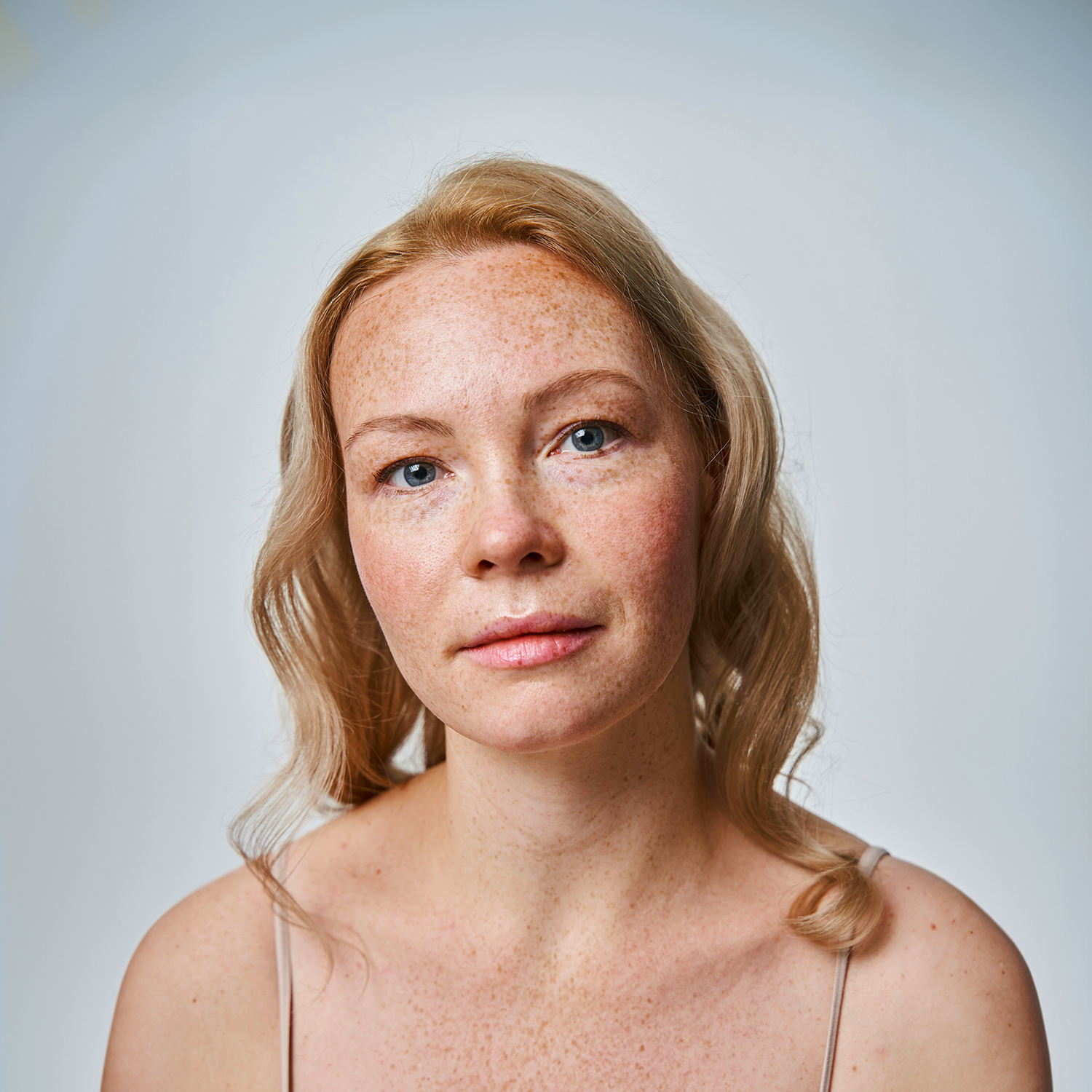
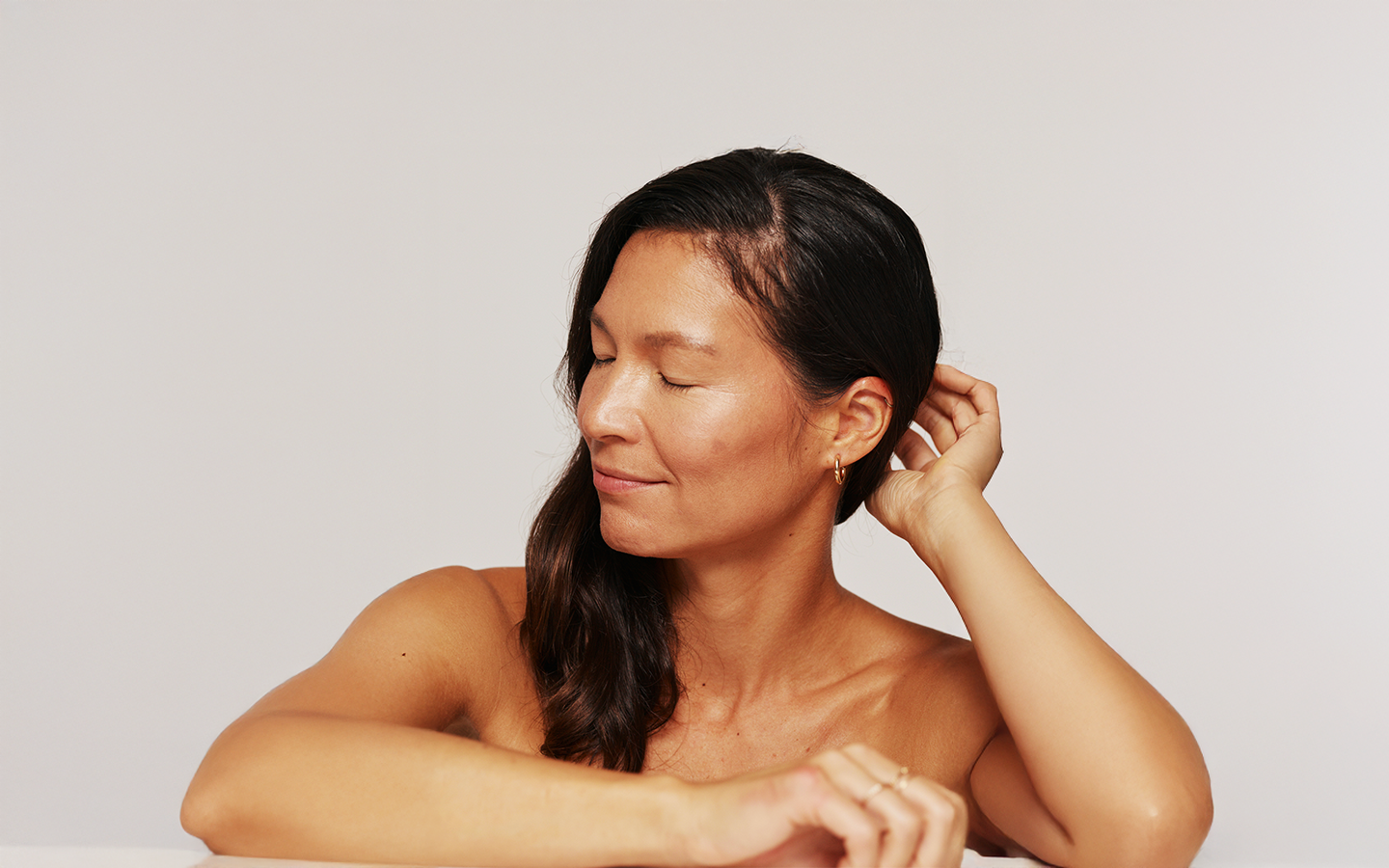
Photograph by Sasha Israel.