The Rocky Road to Hormone Balance — Even for Someone Who Should Know
I'm going to tell you something that might surprise you: I'm a Doctor of Acupuncture and Chinese Medicine, a member of The Menopause Society, and I have spent over two decades helping women navigate midlife — and figuring out my own hormone balance has been one of the most confusing journeys of my life.
As of next month, I will have met with five doctors, trying to address the best dosage and delivery for topical application of hormones — meaning gels, creams, patches, and so on. Five. And I'm still learning. If that doesn't tell you everything about the state of menopause care in this country, I don't know what does.
This is just my personal story, and of course I'm not dispensing any medical advice. But I think it's a story worth telling, because if I'm finding this hard — someone who should know — how is everyone else supposed to figure it out?
The OBGYN Who Didn't Know Either
Long before my periods ceased, I knew what was on the horizon. Hormonal ups and downs had never been easy for me. The most precipitous down resulted in frightening postpartum depression 21 years ago. So I was eager to get ahead of this. I spoke to Rhode Island's most beloved and celebrated OBGYN about what I should expect when I was expecting... menopause.
She confided in me: "I was in the lockdown, going through menopause, and I didn't know what was happening."
All I could think was: If you didn't know what was happening — and you're a professor of OBGYN at Brown Medical School — how the hell should anyone else know?
Here's the thing: she's not alone. A 2023 needs assessment of OB-GYN residency programs found that the majority lack a dedicated menopause curriculum. Over 90% of program directors agreed residents should have standardized menopause training, but less than a third of programs actually offer one. Meanwhile, a Mayo Clinic study found that the majority of midlife women with menopause symptoms don't even seek care — partly because healthcare providers themselves may not connect symptoms to perimenopause.
This is not a personal failing. This is a systemic one.
The Quest for Hormones (and the Fibbing Required to Get Them)
I have to admit: this journey began with a fair amount of dishonesty on my part. I was trying to get medicine I deserved. Medicine — well, actually, just hormones that my body had simply run out of. Like bare shelves of milk, eggs, and bread before a blizzard. A.K.A. All Gone.
My goal was to use a topical application because I take Chinese herbal medicine and I wanted to make sure to avoid possible drug-herb interactions.
Research backs this up. The Menopause Society has noted that transdermal hormone therapy — patches, gels, creams — carries a different risk profile than oral hormones, particularly when it comes to mental health outcomes. Transdermal estrogen bypasses the liver's first-pass metabolism, which may translate into lower risks for cardiometabolic and neuropsychiatric conditions. But I was told: if it hadn't been a year since your last period, sorry, too bad, go home, no hormones for you.
So I fibbed about how long it had been.
The tide is finally turning on the science here. In November 2025, the FDA removed the broad "black box" warnings from hormone therapy products — warnings that had been in place since the early 2000s and had scared both doctors and patients away from HRT for over two decades. The updated evidence shows that for women who start hormone therapy before age 60 or within 10 years of menopause, the benefits can outweigh the risks.
Two decades of gatekeeping. I'll let that sink in.
The Patch: When My Spark Came Back
The biggest takeaway from my first round of HRT was this: when I put on that patch, my interest in life increased by 100%.
Not that I wasn't interested in life or depressed. But all of a sudden, my spark and excitement came back — for all kinds of things I wanted to do and learn — that were markedly not there before putting that goddamn patch on my lower belly. There was a distinct before and after.
But here's where it got complicated.
The Plastic Problem
That patch came with an inherent downside: gooky residue on my belly. And for someone who's trying to eschew plastics in all its forms — I have no plastic Tupperware, and I'm wearing strange workout clothes made of natural fabrics that look like I'm wearing a diaper because I don't want to wear plasticky clothes — why was I adhering a plastic patch to my belly? For the next couple of decades?
It seemed insane.
The Compounding Pharmacy: Better Product, Bigger Price Tag
I started searching for other ways to topically get my hormones and found another doctor. She was amazing. She wanted to give me compounded hormones from a compounding pharmacy. I liked the idea of being plastic-free and not looking like I had a band-aid stuck on me all the time.
But I was a little shell-shocked at the cost. Insurance would not even begin to cover it — while it had covered everything but $20 for my patch from CVS. These compounded hormones would be $210 each time I picked them up and would last only a couple of months.
This is a reality that doesn't get talked about enough. The Cleveland Clinic lists multiple delivery methods for hormone therapy — pills, patches, gels, creams, rings, sprays — but nobody prepares you for the wild variation in what insurance will cover, what compounding pharmacies charge, and how much trial-and-error is involved in finding what actually works for your body.
Where Chinese Medicine Comes In
Here's where I get to bring both halves of my world together. I've always been interested in complementary and alternative medicine — if it's still called that — and I was interested in tackling this thing in all ways. I didn't want to be a fundamentalist in one camp or another. Also, given all the scientific data on HRT now, how could I walk away from its apparent benefits?
So I use both. And here's what my Chinese herbal toolkit looks like:
Liu Wei Di Huang Wan — For the Heat
This is the most famous formula for menopause, and it's been used for over a thousand years. It addresses those tell-tale perimenopausal puzzle symptoms we all know: hot flashes and night sweats. A Cochrane-style review of Chinese herbal medicine for menopausal symptoms found that formulas like this one can reduce the frequency of vasomotor symptoms and improve quality of life — and researchers have demonstrated that Liu Wei Di Huang Wan may actually help improve estrogen levels and estrogen receptor expression.
Xiao Yao San — For the Rage
Many women in menopause feel incredibly frustrated and downright angry. And honestly? We have all the reason to be angry. That said, I often add Xiao Yao San — sometimes translated as "Free and Easy Wanderer" — just to calm that down a little bit. And also not to ruin any relationships, if possible.
Suan Zao Ren Tang — For the Sleep
Menopausal women also have trouble sleeping. I've added Suan Zao Ren Tang for myself occasionally — it's a classical formula specifically for insomnia and restless sleep.
I take all of these in raw form, which basically means I cook them up in my kitchen. It stinks and it tastes like dreck. However, it really gets the job done — especially in conjunction with my topical hormones.
The Journey Continues
This is just my story of trying to figure this out, and by no means am I offering anyone medical advice. That's why I leave certain things to the MDs.
Speaking of which: I'm going to see my fifth doctor next month to go over everything I'm doing — the topical hormones, the herbs, all of it. I'll find out what's new and cutting-edge on the horizon of menopause research. Because even though I'm a member of The Menopause Society, I've still got a lot to learn as I figure all this out.
And if you're in the thick of it too — navigating the confusion, the appointments, the insurance headaches, the kitchen that smells like an herbal swamp — I want you to know: you're not doing it wrong. This road is rocky for everyone. Even for someone who should know.
If you're ready to explore how Chinese medicine and acupuncture can support your own menopause journey — alongside whatever your MD recommends — I'd love to talk with you.
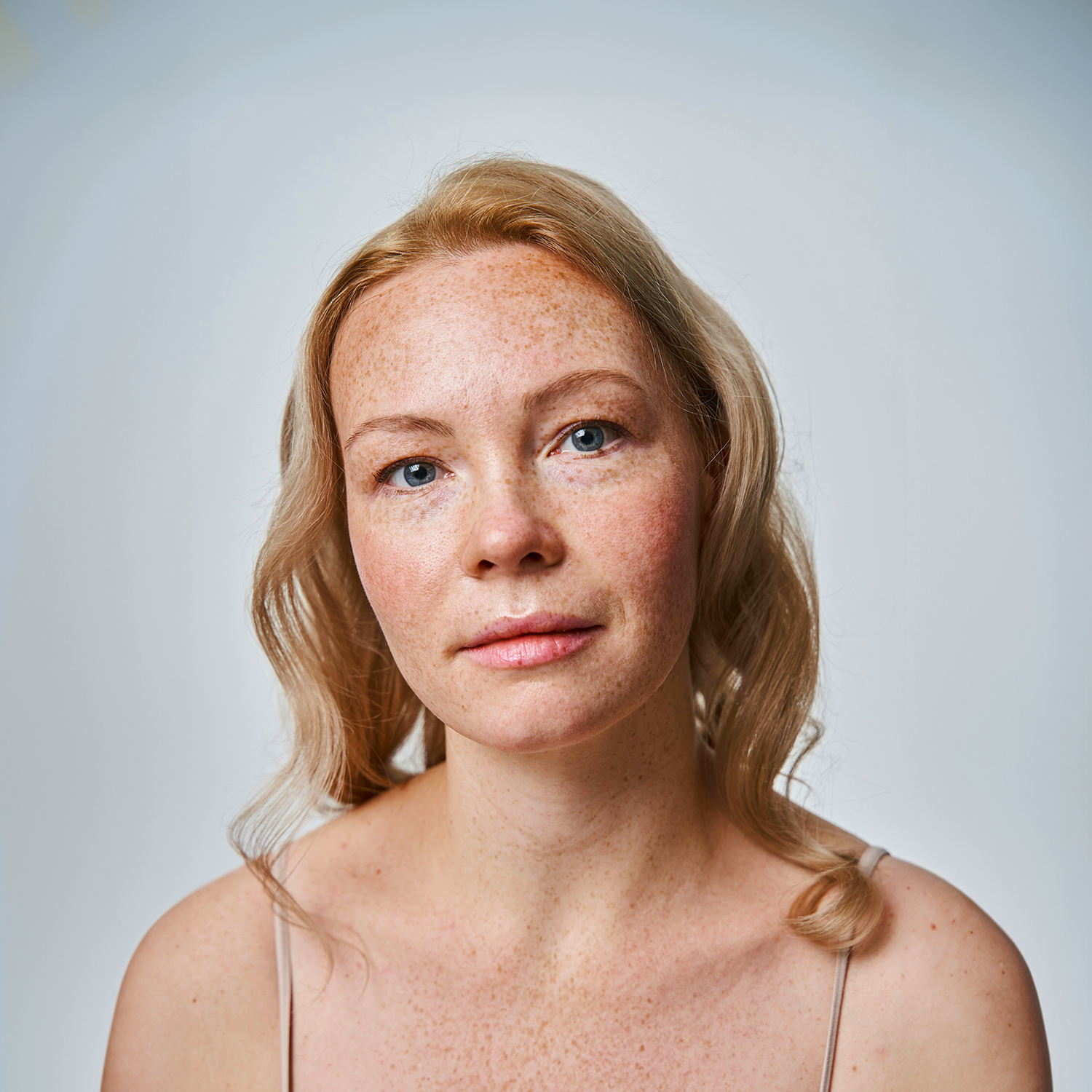
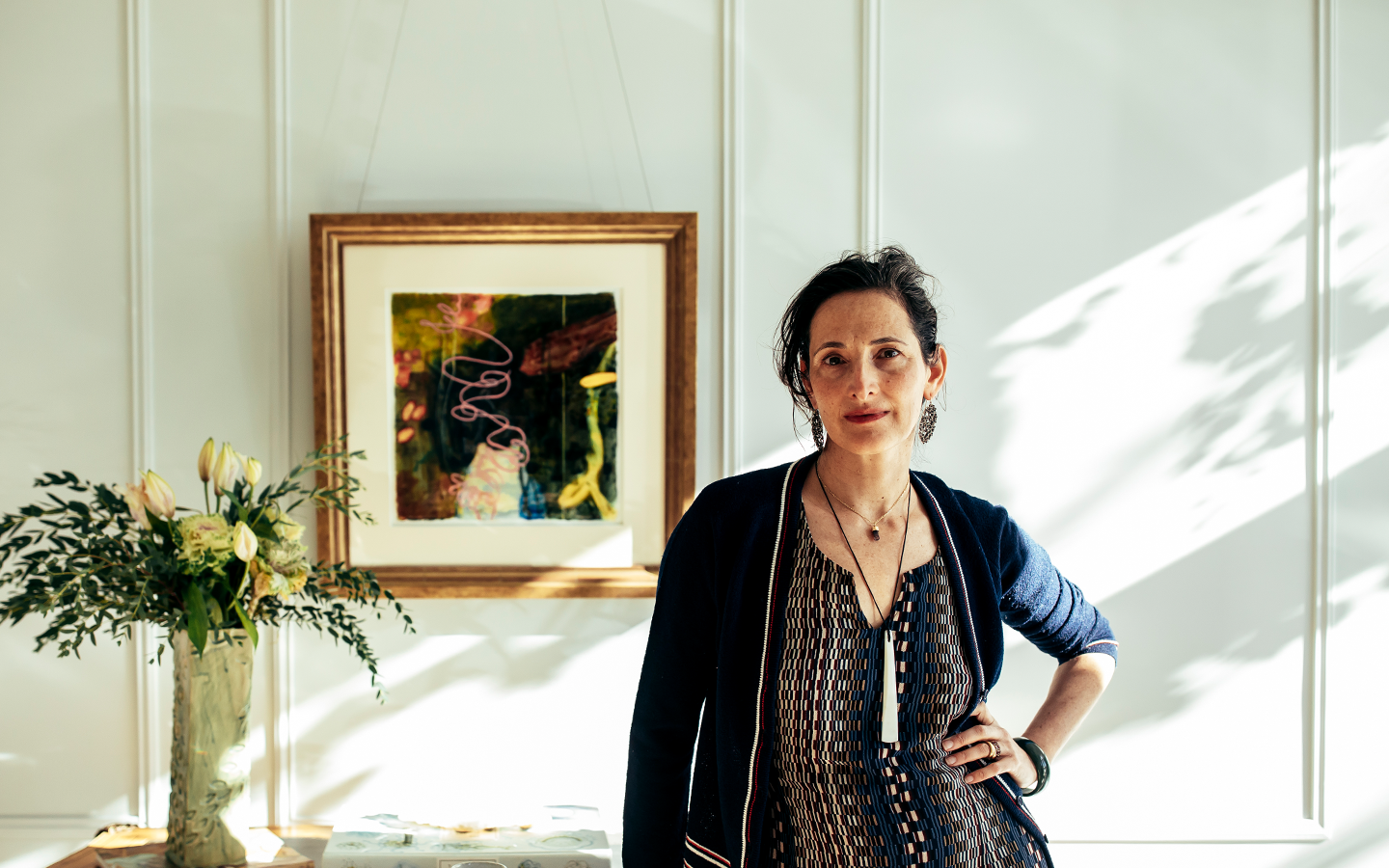
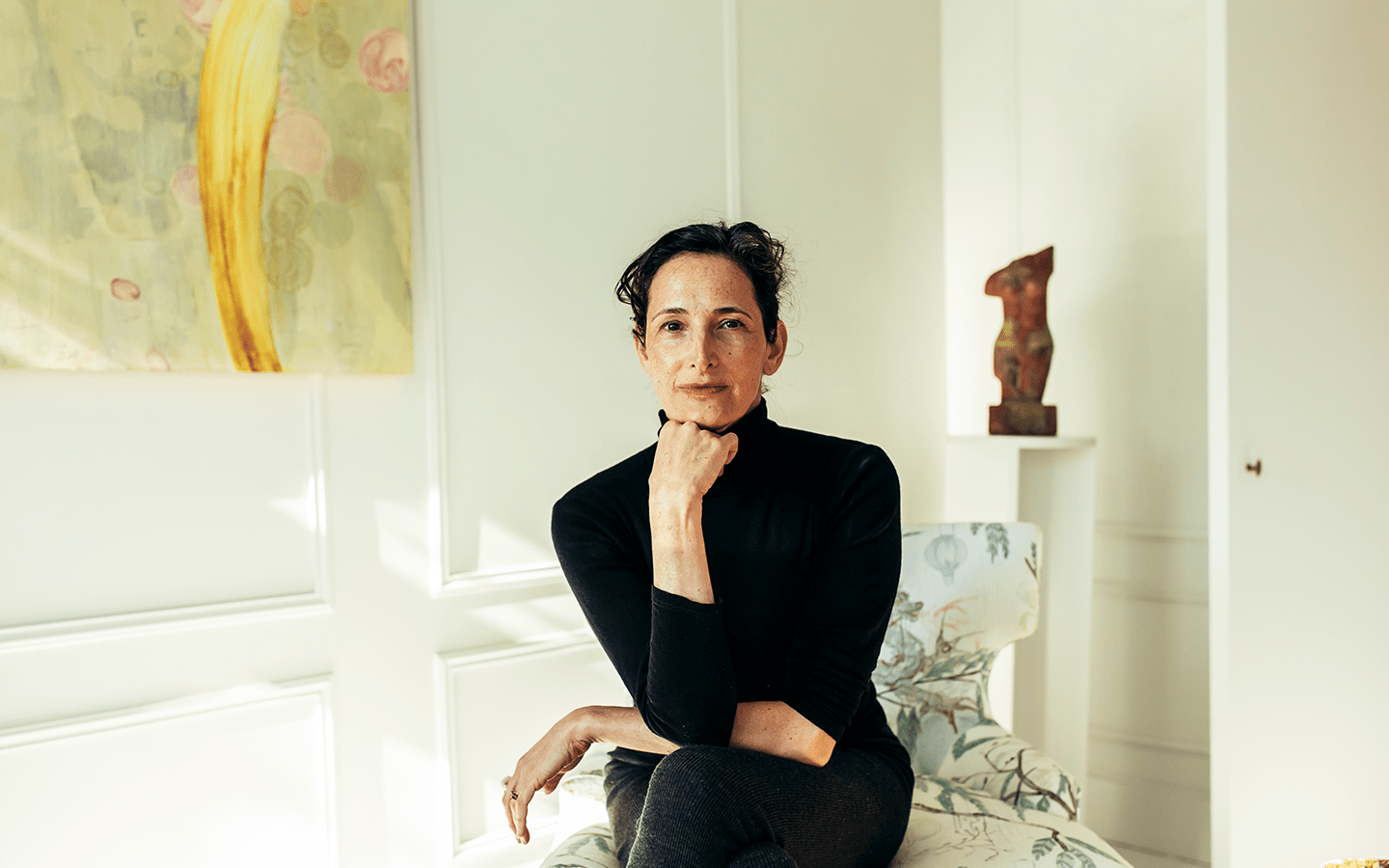
Photograph by Sasha Israel.