

The Clean Nail Edit: Gorgeous Hands Without the Toxic Load
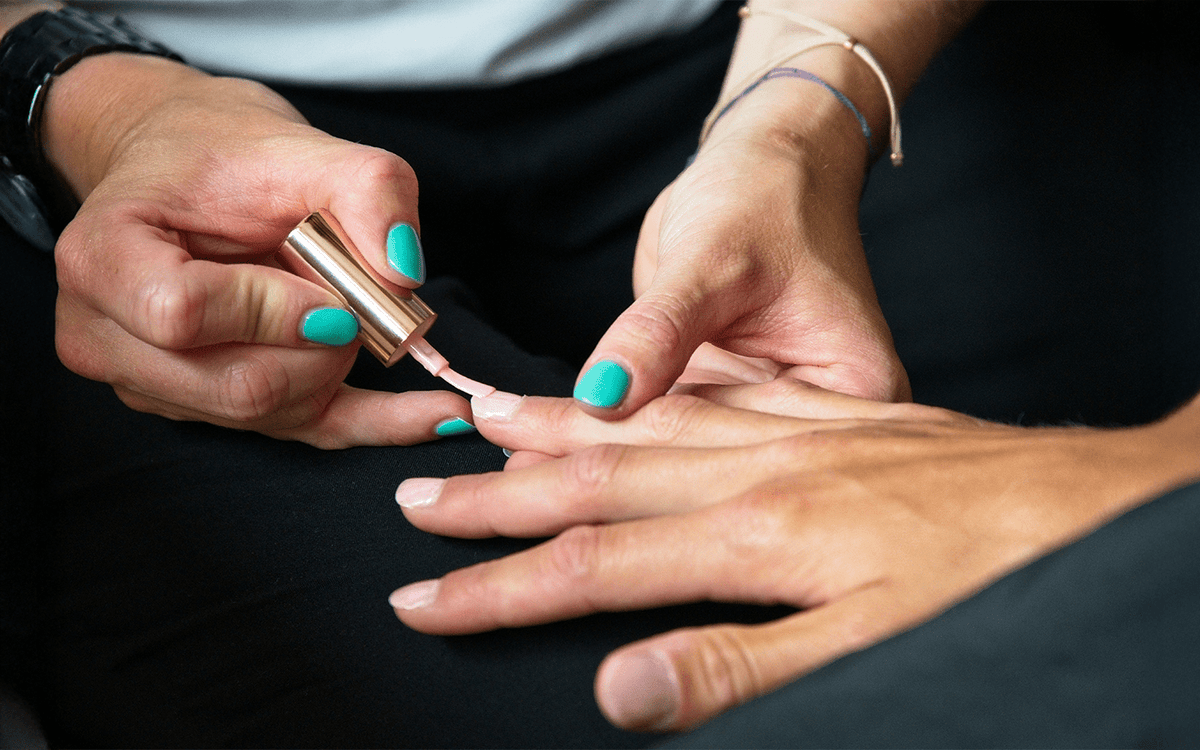
Nothing quite says I take care of myself like well-tended hands. I think about this every time I sit across from a patient—hands tell stories. They reveal stress (hello, bitten cuticles), dehydration, nutritional gaps, and yes, whether we've carved out time for a little self-care.
I remember traveling through Northern Vietnam in the 90s and noticing men with pinky fingernails two to three inches long. At first, it creeped me out. Then I understood: in their culture, it was a signal—I don't labor with my hands. I have status. In our world, a polished manicure whispers something similar: I have the means and time for pampering.
But here's the uncomfortable truth I've been sitting with lately: nail salons are one of the most chemically intense environments we voluntarily enter. And our endocrine systems—already navigating the hormonal shifts of perimenopause and menopause—don't need the extra assault.
The good news? You can have beautiful, healthy hands at home. Salon-perfect? Perhaps not. But radiant, nourished, and free from toxins? Absolutely.
The Hidden Cost of a Perfect Manicure
Have you noticed that nail technicians still wear masks, long after COVID protocols relaxed? There's a reason. The air in nail salons carries a cocktail of volatile chemicals—from polish fumes to acrylic dust—and the workers know it.
According to the Environmental Working Group, nearly half of the nail polishes in their Skin Deep database contain triphenyl phosphate (TPHP), a suspected endocrine disruptor. Researchers at Duke University found that TPHP showed up in the urine of every woman tested after applying nail polish—with levels spiking sharply within hours.
The "Toxic Trio" and Beyond
Traditional nail polishes often contain what's called the "toxic trio":
- Formaldehyde: A known carcinogen used as a hardener
- Toluene: A solvent linked to neurological damage
- Dibutyl phthalate (DBP): An endocrine disruptor banned in the European Union for its impact on reproductive health
When manufacturers phased out DBP, many replaced it with TPHP—which research now links to thyroid disruption and reproductive toxicity. The cycle continues.
Here's what frustrates me: in the United States, companies don't have to prove their chemicals are safe. They simply need to show there's no clear evidence they're unsafe. Meanwhile, the EU has banned or restricted hundreds of cosmetic ingredients that remain perfectly legal here.
Why This Matters More in Midlife
If you're navigating perimenopause or menopause, your endocrine system is already working overtime to recalibrate. Adding hormone-disrupting chemicals to the mix is like throwing sand in an engine that's trying to find its new rhythm.
TPHP and phthalates can mimic estrogen, potentially interfering with your body's delicate hormonal dance. For women trying to conceive—or simply trying to feel balanced—this matters enormously.
I noticed recently that Taylor Swift appeared in photos with unpolished nails. My first thought? She's probably trying to conceive. Smart women are connecting the dots between what goes on their bodies and what happens inside them.
Your At-Home Nail Care Ritual
Here's the beautiful thing: caring for your hands at home isn't just safer—it can become a ritual of self-honoring. A few minutes of attention while you decompress. A small act of reclamation in a busy life.
The Kitchen Counter Scrub
The simplest hand treatment requires three things you already have:
- 2 tablespoons brown sugar
- 1 tablespoon olive oil
- A splash of warm water
Mix, scrub gently over hands and nails for two minutes, then rinse. Your hands will feel silk-soft, and you've just sloughed away dead skin cells without a single synthetic ingredient. This is a beautiful pairing with your evening glow routine.
The Lemon Trick
Here's one of my favorite kitchen hacks: when you're cooking dinner and cut a lemon in half, don't throw it away. Dig your fingertips into the flesh and twist them around for 30 seconds.
The citric acid (a natural alpha hydroxy acid) gently brightens nails and dissolves dead skin around the cuticles. Zero cost, zero toxins, and you were already making dinner anyway.
Note: Skip this if you have any cuts or hangnails—it will sting.
Cuticle Care the Gentle Way
Forget those aggressive cuticle cutters. Cutting cuticles creates tiny wounds that invite infection and actually makes them grow back thicker.
Instead, invest in a good nail oil pen. I've been using the Dr. Hauschka nail pen for—I'm almost embarrassed to admit—25 years. After a shower, when cuticles are soft, apply a drop of oil and use the felt tip to gently push them back.
The oil hydrates while the gentle pressure trains cuticles to stay tidy. Keep one in your bathroom, one in your cosmetic bag. When nails look parched, a quick swipe brings them back to life.
Shaping Without Damage
Filing technique matters more than the file itself:
- Choose your shape: rounded, square, or "squoval" (the hybrid most flattering to most hands)
- File in one direction only: sawing back and forth weakens the nail and causes splitting
- Use a glass or crystal file: gentler than emery boards and lasts forever
File when nails are dry, not after a shower when they're soft and prone to tearing.
The Buffing Ritual
A simple nail buffing kit—usually under $10—can create a beautiful, natural shine that rivals any clear polish. The gentle buffing also smooths minor ridges and stimulates circulation to the nail bed.
Use the coarsest side sparingly (once every few weeks), then the finer grits and the shining buffer more frequently. You'll end up with nails that gleam like they've been glossed—without a single drop of polish.
What Your Nails Are Telling You
In Chinese medicine, we read the nails as windows to internal health. Pale nail beds may suggest blood deficiency. Brittleness often points to yin depletion. And ridges? They're frequently nutritional messages.
Horizontal Ridges (Beau's Lines)
These grooves running side-to-side can indicate:
- Recent illness or high stress
- Nutritional deficiency
- Thyroid issues
If they appear suddenly, it's worth mentioning to your clinician.
Vertical Ridges
More common and usually less concerning, vertical ridges often increase with age. However, according to Cleveland Clinic, they can also signal deficiencies in iron, B12, or protein.
I noticed this myself recently—my nails had more ridges than usual. Then I spent a summer in Slovenia eating substantial amounts of animal protein, and they smoothed right out. The body speaks; we just have to listen.
Nutrition for Stronger Nails
If your nails are telling a story of depletion, consider:
- Protein: Your nails are made of keratin, a protein. Aim for quality animal protein if it suits your constitution—beef, lamb, eggs, fish
- Iron: Essential for oxygen delivery to the nail matrix. Red meat, dark leafy greens, and blackstrap molasses are good sources
- Biotin: Studies show biotin supplementation can improve nail thickness by up to 25%. Find it in egg yolks, nuts, and legumes
- Zinc: Critical for tissue repair. Pumpkin seeds, oysters, and grass-fed beef are excellent sources
In my practice, I often support nail health through Chinese herbal formulas that build blood and nourish yin—addressing the root rather than just the symptom.
When You Do Want Polish
I understand. Sometimes you want color. For special occasions or simply because it brings you joy—that's valid too.
If you choose to polish, look for brands labeled "10-free" or higher, which exclude the most concerning chemicals. I occasionally use Dazzle Dry when I want something more than bare nails. It's not perfect, but it's far less offensive than conventional options.
A few cleaner polish guidelines:
- Apply in a well-ventilated space
- Let nails breathe between applications (at least a few days polish-free)
- Remove polish with acetone-free remover when possible
- Consider saving polish for special occasions rather than constant wear
The Deeper Invitation
Caring for your hands at home is about more than avoiding chemicals. It's a small reclamation of time, attention, and agency.
In a world that profits from making us feel we need professionals for everything, there's something quietly powerful about tending to yourself. The brown sugar scrub becomes meditation. The lemon twist becomes presence. The evening oil application becomes self-acknowledgment.
Your hands have done so much—raised children, built careers, comforted loved ones, created beauty. They deserve care that honors rather than harms.
This is the essence of what I teach in my practice: small, consistent acts of self-tending that accumulate into profound wellbeing. Not perfection. Not Instagram-worthy salon nails. Just healthy, nourished hands that reflect a woman who has chosen herself.
Your Clean Nail Action Plan
| Step | Action |
|---|---|
| 1 | Clear out old polishes (especially those without "free-from" labels) |
| 2 | Stock your basics: brown sugar, olive oil, lemons, a good nail oil |
| 3 | Invest in a glass file and buffing kit |
| 4 | Start a weekly at-home hand ritual—even 10 minutes counts |
| 5 | Notice your nails: ridges, color, strength—what are they telling you? |
| 6 | Address any nutritional gaps with protein-rich foods |
Your hands will thank you. Your hormones will thank you. And you might just find that the ritual of caring for yourself becomes its own kind of luxury—no salon required.
If you're navigating midlife and want support balancing your hormones, managing stress, or simply feeling more radiant in your own skin, I'm here. Book a consultation and let's talk about what your body is asking for.